
Cards collection ยท Number draw

Keno: Number Draw Game Guide and Demo

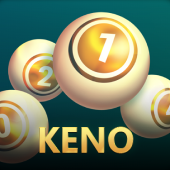
Keno game icon
Keno

Keno is a number-draw game: a player selects numbers, a draw takes place, and the paytable determines whether the selected set matches. Check the current rules and selection limits before taking part; no number pattern can make a random draw predictable.

If a Keno Demo mode is available in the current listing, it can help you learn the controls without serving as a forecast of paid results.

For eligible adults only. Set a fixed time and entertainment budget before starting.

Other quick choices in the cards shelf

The basic idea behind Keno

Keno is a lottery-style format presented in the cards collection, though its decisions centre on number selection rather than a hand of cards. The exact range of numbers, number of picks and matching prize tiers are defined by the version shown in the lobby. Read that paytable first instead of relying on rules from another provider.

A useful first question is how many selections the game permits and how the stake changes the prize table. A larger selection may change the pattern of possible matches, but it does not provide a guaranteed advantage or remove variance. The same principles apply whether you access it through the kinh games catalogue or another eligible route.

For game context, the label kinh Keno refers to this title in the site's catalogue, not to a separate set of odds. Any displayed theoretical return or rules should be confirmed in the actual game information.

A Keno round, from picks to result

A round follows a simple sequence, but the live version's instructions always decide the exact details. Review each step before committing a stake.

  1. Choose a selection: mark the number of picks allowed by the current screen. Do not treat birthdays or repeated past draws as predictive evidence.
  2. Set the stake: confirm the amount shown and ensure it fits a fixed entertainment budget.
  3. Confirm the entry: check selected numbers and any bonus options before submitting; avoid rushed taps.
  4. Wait for the draw: the game reveals its drawn numbers according to its stated process.
  5. Read the result: compare matches with the paytable, note the result, and stop when your chosen time or spending limit is reached.

If you want a table format with a different decision structure, Baccarat A's game listing is a separate option. It has its own rules and should not be compared by number-match assumptions.

What makes Keno easy to scan

The format is easiest to understand when selection, draw and prize evaluation are shown distinctly. Look for these practical details before playing:

  • Visible number board: makes selected entries easy to verify before confirmation.
  • Clear draw result: lets you compare drawn numbers with your picks without guessing.
  • Accessible paytable: explains match tiers and prize values for the chosen stake.
  • Mode information: indicates whether the current listing offers practice or only a paid mode.

These are evaluation points, not claims that a specific interface or setting is always available. If the game rules do not explain an option, ask official support before using it.

Keno terms worth knowing before a draw

Pick set means the numbers a player chooses for one entry. Drawn set is the result selected by the game. A match count records how many selected numbers appear in the draw; the paytable maps this count to a result for the particular stake.

Variance describes how results can fluctuate over repeated rounds. It is not a schedule: a run of low matches does not make a high match due. A demo or practice mode, if offered, uses a learning environment and cannot prove how a paid session will turn out.

A kinh promotion is separate from the game's draw rules. If an offer applies, read eligibility, expiry, turnover and withdrawal terms before opting in. These conditions may alter how a bonus balance can be used, but they do not alter the underlying chance of a number draw.

Before you choose Keno

Confirm you meet the applicable age and location requirements, can reach the genuine site, and understand the current game rules. Do not deposit simply to test a feature if a free mode or clearer information is unavailable.

  • Read selection limits, draw timing and prize tiers inside the game.
  • Set a maximum spend and session end time before entering numbers.
  • Use private credentials and never share a one-time code or payment PIN.
  • Verify any offer separately; do not assume it is cash or immediately withdrawable.
  • Stop if the activity becomes stressful or you feel tempted to recover losses.

For an arcade-style comparison, Magic Beans' game overview describes a different title; for a more active room, see Oneshot Fishing in the fishing category. These internal guides provide category context rather than promises about results.

A careful kinh review checks current terms, security information, support routes and the actual game screen instead of relying on claims of guaranteed returns. If a login or payment request seems unusual, stop and verify through the official route.

The concise takeaway

Keno is a number-draw game with a straightforward pick, draw and match sequence. Its sensible starting point is the current paytable, followed by a small, pre-set budget and a fixed stop time. A Keno Demo may help you learn the controls if it is available; past draws and demo patterns do not predict future results.

Explore only if the rules are clear, participation is legal for you, and the cost fits entertainment spending. No draw system guarantees a win, and gambling should never be treated as income.